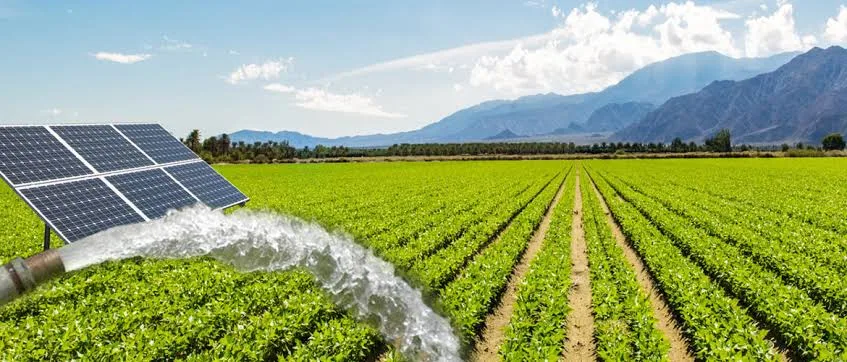
For farmers, solar in Odisha has one very practical form: the solar water pump. Irrigation is one of the biggest costs in farming, and in many areas it still depends on diesel engines or on grid power that comes at limited hours. A solar water pump in Odisha uses free daytime sunshine to lift water from a borewell, open well, pond or canal, so crops get water when they need it without a monthly fuel or electricity bill. This guide explains how a solar water pump in Odisha works, how to size it, what it costs, what subsidy support may be available, how much you can save and how to avoid common mistakes.
Key Takeaways
- A solar water pump in Odisha runs on daytime sunshine and removes diesel or electricity cost from irrigation.
- Pump size is chosen from water depth (head), required flow and daily hours of sun — typically 1 HP to 10 HP for farms.
- Subsidy support for solar pumps may be available under central and state programmes; terms change, so confirm current rules.
- Savings come from zero fuel cost, low maintenance and no power-cut dependence during daylight.
- Solar in Odisha for irrigation works best when combined with water storage and efficient irrigation methods.
How a solar water pump in Odisha works
A solar water pump system has three main parts: solar panels, a controller or drive, and the pump itself. The panels convert sunlight into electricity, the controller adjusts the power to the pump and protects it, and the pump lifts water into a tank, channel or field. When the sun is bright, the pump runs fast and delivers more water; in weak light it runs slower. Because irrigation is needed mostly in daylight, this match between sunshine and water demand is what makes a solar water pump in Odisha so effective. Keep this in mind whenever you plan solar in Odisha.
- Solar panels sized to the pump power
- Pump controller or drive with MPPT to get maximum power from the panels
- Pump — submersible for borewells or surface pump for open wells, ponds and canals
- Pipes and fittings to carry water to the tank or field
- Mounting structure that keeps panels firmly in place and shadow-free
- Protection — dry-run protection, earthing and surge protection
Why solar water pump in Odisha is a smart choice
| Factor | Diesel pump | Grid electric pump | Solar water pump in Odisha |
|---|---|---|---|
| Running cost | High — fuel every hour | Medium — tariff or connection cost | Almost zero after installation |
| Availability | Whenever you buy diesel | Limited by supply hours and cuts | Every sunny day, during daylight |
| Maintenance | Frequent — engine servicing | Moderate | Low — no engine, few moving parts |
| Noise and fumes | High | Low | None |
| Theft and fuel handling | Fuel theft risk | Low | Panels need secure fixing |
| Environmental impact | Pollution and CO₂ | Depends on grid mix | Clean energy |
| Upfront cost | Low to medium | Low if connection exists | Higher, but subsidy may help |
Sizing a solar water pump in Odisha: the basics
Choosing the right size is the most important step. An undersized pump will not deliver enough water, and an oversized one wastes money. Sizing depends on three things: the total head (vertical depth plus friction), the water you need per day, and the hours of good sunshine you get. As a rough rule, panels of about 1.2 to 1.5 kW are needed for each horsepower of pump, though exact figures depend on the pump and the controller. This is one more reason solar in Odisha keeps growing.
| Pump size | Typical use | Approx. panel capacity | Suits |
|---|---|---|---|
| 1 – 2 HP | Small borewell or open well, vegetable and garden irrigation | ≈ 1.5 – 3 kWp | Small farms, kitchen gardens |
| 3 HP | Medium borewell, 1–3 acres with drip or sprinkler | ≈ 3.5 – 4.5 kWp | Mixed farms, orchards |
| 5 HP | Deeper borewells or larger fields | ≈ 6 – 7.5 kWp | Larger farms, horticulture |
| 7.5 – 10 HP | Large irrigation lifts and community use | ≈ 9 – 15 kWp | Large farms, groups of farmers |
Sizing for solar in Odisha needs a site visit to measure water depth, yield of the source and field size. Never choose a pump only by HP.
AC vs DC solar pumps
A DC pump runs directly on DC power from the panels through a controller. It is efficient and commonly used for small and medium pumps. An AC pump runs through a solar pump inverter (VFD) and is common for larger HP. Both can work well; the right choice depends on size, depth, brand support and spare parts availability. Ask your supplier for the controller details, protection features and warranty. Getting this right is central to successful solar in Odisha.
Submersible vs surface solar pumps
| Source | Pump type | Notes |
|---|---|---|
| Borewell / tubewell | Submersible | Most common; lifts water from deep sources |
| Open well | Surface or floating | Easy to service; good for shallow depth |
| Pond or farm pond | Surface or floating | Good for tank filling and micro-irrigation |
| Canal or river | Surface | Needs secure intake and flood-safe installation panels |
Solar water pump price in Odisha
Prices depend on pump HP, type, panel brand, controller, borewell depth and mounting arrangement. The figures below are approximate for standard systems before any subsidy and may change with the market. Local conditions make this especially relevant for solar in Odisha.
| Pump | Approx. cost | Notes |
|---|---|---|
| 1 – 2 HP DC submersible | ₹1.0 – ₹1.8 lakh | Small fields and gardens |
| 3 HP DC submersible | ₹1.8 – ₹2.8 lakh | Most popular farm size |
| 5 HP | ₹3.0 – ₹4.5 lakh | Larger borewells |
| 7.5 – 10 HP | ₹4.5 – ₹7.5 lakh | Large irrigation |
Indicative figures for solar in Odisha, not a quotation. Get a written, itemised quote after a site visit.
Subsidy for solar water pumps in Odisha
Farmers in Odisha may get support for solar pumps under central schemes such as PM-KUSUM and through state programmes handled by the state’s renewable energy agency. In many versions of these schemes, the central and state governments each support a share of the pump cost and the farmer pays the remaining part, sometimes with bank finance. Eligibility, share, HP limits and application windows change from time to time, so you must check the current guidelines before you book. Ask your installer how this applies to your own solar in Odisha project.
- Check eligibility — land ownership or lease, source of water, existing connection
- Apply through the official scheme channel or the authorised agency
- Use only approved vendors and equipment where required
- Keep land records, Aadhaar, bank details and photographs ready
- Do not buy a pump before approval if the scheme requires pre-approval
Savings from a solar water pump in Odisha: a worked example
A farmer running a 5 HP diesel pump for about 6 hours a day on irrigation days uses roughly 5–6 litres of diesel daily (consumption varies with the engine and load). At about ₹90–100 per litre, that is ₹450–600 on every irrigation day, plus engine repairs and oil. Over a season of 120 irrigation days, diesel alone can cost ₹54,000–₹72,000 — before servicing. A solar pump removes this fuel cost almost completely, so payback can be a few seasons even without subsidy and faster with subsidy. It is a practical point every owner of solar in Odisha should know.
| Item | Diesel pump | Solar water pump in Odisha |
|---|---|---|
| Fuel / energy | ≈ ₹54,000 – ₹72,000 | ≈ ₹0 |
| Servicing and repairs | ≈ ₹8,000 – ₹15,000 | ≈ ₹2,000 – ₹4,000 |
| Total yearly running cost | ≈ ₹62,000 – ₹87,000 | ≈ ₹2,000 – ₹4,000 |
Illustrative only; fuel prices, hours and engine efficiency vary. Use your own figures when comparing solar in Odisha options.
Using a solar water pump with water storage and drip irrigation
Because solar pumps work in daylight, the smartest way to use solar in Odisha for irrigation is to pump into a storage tank or farm pond and then distribute water by gravity, drip or sprinkler when needed. This removes the need for batteries, lowers the pump size needed and saves water. Drip and sprinkler systems fit well with solar pumps because they need steady, moderate flow rather than sudden high flow. Keep this in mind whenever you plan solar in Odisha.
- Fill an overhead tank or pond during the day
- Use drip or sprinkler for orchards, vegetables and horticulture
- Use timers and valves to schedule irrigation
- Mulch and level the field to reduce water use
- Match crop calendar to available sunshine hours
Solar pump for paddy, vegetables and orchards
| Crop | Water need | Suggested approach |
|---|---|---|
| Paddy | High, especially at transplanting and tillering | Higher HP pump, canal and borewell backup, good field bunds |
| Vegetables | Moderate, frequent | Mid-size pump with tank and drip |
| Orchards (mango, cashew, citrus) | Moderate, steady | Pump with drip lines to each tree |
| Pulses and oilseeds | Low to moderate | Small pump or shared system |
Installation: what happens on site
- Site survey — source, depth, yield, distance to field and shadow check
- Design — pump HP, panel capacity, pipe size and controller
- Foundation and structure for panels, with strong anchoring against wind
- Pump lowering or placement and pipe connection
- Wiring, earthing, dry-run and surge protection
- Testing with flow and pressure checks
- Training on operation, cleaning and basic troubleshooting
Maintenance and care of a solar pump
Our guide solar panel maintenance in Odisha explains cleaning and care in detail. This is one more reason solar in Odisha keeps growing.
- Wipe panels every 2–3 weeks, especially in dusty months
- Check pipe joints and valves for leaks
- Inspect cables, earthing and structure after storms
- Do not run a pump dry; ensure the water level is adequate
- Keep the controller display and settings under watch
- Book a yearly professional check
Mistakes farmers make when buying a solar pump
- Choosing HP without measuring depth and yield of the source
- Buying the cheapest set with unknown controller and no warranty
- Placing panels where a tree, shed or wall casts shadow
- Skipping theft and flood protection for panels
- Ignoring after-sales service availability
- Buying before checking whether subsidy needs prior approval
Solar Harvest India and solar water pumps in Odisha
Solar Harvest India, based in Bargarh, offers solar water pump solutions for farms and orchards in Western Odisha and takes other locations on request. We start with a site visit, give a written proposal and help with documentation. Learn more on our solar water pump service page, and read the broader guide solar in Odisha. For commercial farms see solar company in Western Odisha. Call +91-9438018877 to book a visit. Getting this right is central to successful solar in Odisha.
Frequently Asked Questions
Roughly ₹1–1.8 lakh for 1–2 HP and ₹1.8–2.8 lakh for 3 HP before subsidy, with larger sizes costing more. A site visit gives the exact price.
Support may be available under central and state solar pump programmes. Terms change, so confirm the current scheme and eligibility.
Yes, at reduced flow. Using a storage tank helps smooth the supply over the day.
Not without batteries. Most farmers pump in daylight into a tank or pond and use the stored water later.
It depends on depth, source yield and crop, but a 3 HP system is common for small farms with drip or sprinkler. A survey will confirm.
Panels last 25+ years; pumps and controllers typically last several years with good care and may need replacement during the plant’s life.